The Benefits of Concrete Waterproofing: Protection Against Moisture Damage
Living in Rhode Island, a coastal state known for its high humidity, heavy rainfall, and occasional flooding, presents unique challenges for property owners. One significant concern is protecting concrete structures from moisture damage. Implementing concrete waterproofing measures can offer a range of benefits that help mitigate the risks associated with moisture infiltration. This blog post will explore the advantages of concrete waterproofing and how it safeguards against moisture-related issues in Rhode Island.
Prevents water penetration
Concrete waterproofing offers a key advantage in forming a protective shield against water infiltration. The climate in Rhode Island is characterized by frequent heavy rainfall and coastal storms, which can potentially harm concrete structures. By preventing water from seeping into the concrete, waterproofing helps to reduce the likelihood of structural issues like cracks, spalling, and corrosion of reinforcing steel.
Extends the lifespan of concrete
Over time, concrete can gradually deteriorate due to moisture, mainly when freeze-thaw cycles are involved. Applying waterproofing methods is essential to safeguard the concrete against damage caused by moisture, thus prolonging its lifespan. By investing in concrete waterproofing, property owners can significantly decrease the frequency of repairs required or the need for complete replacement of structures.
Reduces maintenance and repair costs
Waterproofing helps to decrease the harm caused by moisture, resulting in lower expenses for maintenance and repairs. By implementing waterproofing measures at the beginning, property owners can save money in the future by avoiding extensive repairs and expensive rehabilitation work. It is a proactive investment that ultimately leads to long-term cost savings.
Enhances durability
Concrete waterproofing is essential for enhancing the durability of buildings as it prevents water-induced deterioration. By safeguarding the structural integrity of the concrete, it enhances its strength and capacity to withstand environmental factors. This becomes particularly crucial in coastal areas like Rhode Island, where combining moisture and saltwater can accelerate the degradation process.
Improves indoor environment
Moisture penetration through concrete can lead to mold, mildew growth, musty odors, and compromised indoor air quality. Property owners can minimize the risk of these problems by waterproofing concrete structures, creating a healthier and more comfortable indoor environment. This is especially important for residential properties, commercial buildings, and facilities where people spend significant time.
Preserves aesthetics
Water intrusion can cause discoloration, efflorescence (white powdery deposits), and staining on concrete surfaces. Concrete waterproofing helps maintain the original aesthetic appeal of structures by preventing these issues. It ensures that the concrete surfaces retain their visual attractiveness, contributing to the overall appearance and value of the property.
Protects valuable assets
Concrete waterproofing becomes paramount in Rhode Island, where properties near the coast or flood-prone areas are susceptible to water damage. Protecting your property against moisture protects valuable assets such as buildings, infrastructure, equipment, and personal belongings from potential harm. Waterproofing offers peace of mind, knowing your investments are secure even in challenging environmental conditions.
The potential damage caused by moisture on concrete
Moisture can pose significant risks and cause various types of damage to concrete structures. Here are some potential risks associated with moisture and the resulting damage:
Concrete deterioration
Moisture can penetrate the concrete and react with its components, leading to deterioration. When water enters the concrete, it can cause chemical reactions with the cement, forming expansive products like ettringite or thaumasite. These reactions can lead to cracking, spalling, or weakening the concrete, compromising its structural integrity.
Freeze-thaw damage
Moisture that infiltrates concrete can freeze during cold weather conditions. When water freezes, it expands, exerting internal pressure on the concrete. This freeze-thaw cycle can cause cracking, scaling, and surface deterioration, leading to structural damage over time.
Corrosion of reinforcement
Moisture can reach the steel reinforcement embedded within the concrete, initiating corrosion. When steel corrodes, it expands, exerting pressure on the surrounding concrete and causing cracking and spalling. Corruption weakens the reinforcement, reducing its load-bearing capacity and potentially compromising stability.
Alkali-silica reaction (ASR)
ASR is a chemical reaction between alkalis present in the cement and reactive silica found in specific aggregates used in concrete. Moisture is required for this reaction to occur. ASR can form a gel-like substance, which swells and exerts pressure on the concrete, leading to cracking and expansion.
Mold and mildew growth
Moisture-saturated concrete surfaces provide an ideal environment for mold and mildew growth. These microorganisms can increase on the concrete surface, leading to aesthetic issues, foul odors, and potential health concerns. Mold and mildew can also deteriorate the concrete surface and compromise its durability.
Efflorescence
Moisture can transport dissolved salts within the concrete to the surface, where the water evaporates, leaving behind white or grayish deposits known as efflorescence. These deposits can mar the appearance of the concrete and indicate the presence of excess moisture. Although efflorescence itself is not structurally damaging, it suggests the potential for water-related issues.
To mitigate the risks and damage caused by moisture, proper design, construction, and maintenance practices should be employed. These may include waterproofing systems, proper drainage techniques, sealants, vapor barriers, and regular inspections to identify and address moisture-related issues at the earliest stages.
How Concrete Waterproofing Works to Protect Against Moisture Damage
Concrete waterproofing is a method used to protect concrete structures from moisture damage by preventing water penetration or other liquids. Moisture can cause various issues in concrete, such as cracking, spalling, corrosion of reinforcement, and deterioration of the overall structure. Waterproofing measures aim to create a barrier that resists the ingress of water and helps maintain the integrity and durability of the concrete.
There are several techniques and materials used for concrete waterproofing, including the following:
Surface Coatings
Surface coatings are applied directly to the concrete surface, forming a protective layer that prevents water penetration. These coatings can be elastomeric, epoxy-based, or acrylic-based, creating a barrier against liquid water while allowing vapor transmission. Surface coatings can provide short-term protection and are commonly used in basements, balconies, and roofs.
Integral Waterproofing
Integral waterproofing involves adding waterproofing agents directly into the concrete mixture during the mixing process. These agents typically consist of admixtures or chemicals that react with the concrete to create a hydrophobic or crystalline barrier within the concrete matrix. Integral waterproofing provides long-term protection as it becomes an essential part of the concrete structure.
Membrane Systems
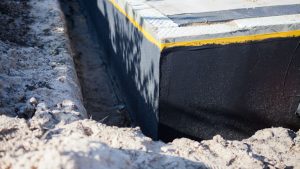
Membrane systems involve the application of a waterproofing membrane on the concrete surface. These membranes can be made of bitumen, modified bitumen, PVC, EPDM, or other synthetic materials. They are typically applied in multiple layers and can be torch-applied, self-adhesive, or liquid-applied. Membrane systems are highly effective in preventing water penetration and are commonly used in below-grade applications, such as basements and foundation walls.
Injection Systems
Injection systems are used to repair cracks and joints in concrete that are prone to water infiltration. These systems involve injecting specialized waterproofing materials or resins into the cracks to seal them and prevent further water penetration. Injection systems are commonly used in tunnels, dams, and parking garages.
Cementitious Coatings
Cementitious coatings are thin applications of cement-based materials applied to the concrete surface. These coatings form a dense and impenetrable layer that resists water penetration. Cementitious coatings are often used in water tanks, swimming pools, and other areas requiring a high level of water resistance.
Concrete waterproofing is a multi-step process. The appropriate method depends on structure type, environmental conditions, and water exposure level. Proper preparation, application techniques, and adherence to guidelines are crucial for effective waterproofing and protecting concrete from moisture damage. Consult a professional contractor or engineer for the best solution for your project.
Why hire professional concrete services in Rhode Island?
Hiring professional concrete services in Rhode Island offers several advantages. Here are some reasons why it is beneficial to engage the services of professionals for your concrete-related projects:

Expertise and Experience
Professional concrete contractors have the expertise and experience to handle various concrete projects. They understand the complexities involved in concrete work, such as proper mixing, reinforcement placement, formwork, and finishing techniques. Their knowledge ensures the concrete is installed correctly and meets the required standards and specifications.
Quality Workmanship
Professional concrete contractors are skilled in their trade and strive to deliver high-quality workmanship. They thoroughly understand concrete materials, curing processes, and industry best practices. By hiring professionals, you can expect a well-executed concrete project that is durable, structurally sound, and visually appealing.
Efficient and Timely Completion
Professional concrete contractors have the resources, equipment, and manpower to complete concrete projects efficiently. They know the necessary steps and can plan and execute the work promptly. Their efficiency ensures that your project is completed within the agreed-upon timeframe, minimizing delays and disruptions.
Proper Equipment and Tools
Concrete work often requires specialized equipment and tools for excavation, mixing, pouring, and finishing. Professional concrete contractors have access to the necessary equipment, including concrete mixers, pumps, saws, and finishing tools. They are proficient in using these tools, which results in efficient and accurate work.
Compliance with Codes and Regulations
Building codes and regulations govern the construction industry to ensure safety and structural integrity. Professional concrete contractors are knowledgeable about these codes and regulations and adhere to them throughout the project. Hiring professionals helps avoid potential compliance issues and ensures your project meets all legal requirements.
Cost-effective Solutions
While it may seem cost-effective to undertake concrete projects independently, mistakes and lack of expertise can lead to costly repairs and rework in the future. Professional concrete services provide cost-effective solutions by getting the job done right first. They have access to quality materials, understand efficient construction practices, and can recommend the most suitable options for your budget.
Insurance and Liability Coverage
Reputable concrete contractors carry insurance coverage, including liability insurance, which protects you from any potential damages, accidents, or injuries that may occur during the project. This provides you with peace of mind and safeguards your investment.
When hiring professional concrete services in Rhode Island, it is essential to research. It selects a reputable contractor with a track record of successful projects, positive customer reviews, and appropriate licenses and certifications. Consulting multiple contractors, requesting detailed proposals, and verifying references can help you make an informed decision and ensure a successful concrete project.
Conclusion
Rhode Island Repair offers a variety of concrete waterproofing options that provide adequate protection against moisture-related harm. Our team of professionals recognizes the significance of maintaining the strength and durability of your concrete structures, which is why we prioritize utilizing superior products and advanced methods to achieve enduring outcomes. Concrete waterproofing prevents moisture-induced damage such as cracking, spalling, and erosion. These problems can compromise your concrete’s structural integrity and visual appeal. Our solutions establish a safeguarding barrier that effectively repels water, chemicals, and harmful substances. By doing so, we ensure that your concrete maintains its long-term durability and aesthetic attractiveness.