Maintaining Concrete Strength: Tips for Longevity
Preserving concrete strength is crucial for durable structures. Whether you’re a construction professional or a DIY enthusiast, understanding techniques for maintaining substantial stability is essential. This blog cover curing concrete test specimens, testing concrete strength, efficient curing techniques, moisture maintenance, water loss reduction, superior concrete strength for different structures, and tips for enhancing resilience. Discover the secrets to maximizing your substantial project’s longevity!
Curing Concrete Test Specimens
Proper curing of concrete test specimens is crucial for optimal strength, durability, and longevity. The curing process involves maintaining moisture and controlling temperature to promote adequate hydration, allowing the concrete to reach its desired compressive and flexural strength. This helps reduce the risk of cracks or surface damage in the cured concrete. Various techniques, such as water, membrane, and steam curing, are employed depending on specific project requirements.
Regular monitoring and testing of cured concrete specimens play a vital role in the early detection of any issues, enabling prompt remedial measures to ensure the concrete structure’s quality and performance.
Maintaining Concrete Strength
To maintain the strength of concrete structures, proper maintenance is essential. One crucial aspect is to ensure the appropriate curing of newly poured concrete. This process involves keeping the concrete moist and at a controlled temperature. Adequate curing allows the concrete to gain strength and enhance its durability. Regular inspections and timely repairs are crucial to address potential issues early on.
Protecting against freeze-thaw cycles and minimizing heavy loads or impacts prevent surface damage and cracking. Regular cleaning and stain removal help preserve the appearance and extend the longevity of the concrete surface. Following these maintenance practices ensures that your concrete structures remain strong and durable.

Techniques for Efficient Concrete Curing
Properly curing concrete is crucial for maintaining its strength, durability, and longevity. The curing process entails keeping the concrete moist and at a controlled temperature, promoting optimal hydration and hardening of the cement. Different techniques can achieve adequate curing, including water, membrane, and steam.
Regular monitoring and testing of cured concrete specimens are vital for the early identification of any potential issues. By incorporating proper curing techniques, you can enhance the performance and durability of your concrete structures, ensuring their resilience against factors such as cracking, deterioration, and abrasion. Ensure the adequate curing of your concrete to maximize its strength and durability for long-term use.
Maintaining Moisture in Concrete
Maintaining moisture in concrete is essential for enhancing its overall strength and durability. Proper curing and hydration are crucial during the early stages to ensure optimal chemical reactions and structural integrity. Various techniques to maintain moisture in concrete include covering it with plastic sheets and utilizing curing compounds. By preventing moisture loss, these methods contribute to the adequate hydration of the cement and help the concrete achieve its maximum strength potential. Moisture preservation is especially critical during the initial seven days, the most crucial period for strength development. Implementing these moisture maintenance practices can significantly contribute to the longevity and durability of concrete structures.
Reducing Loss of Water in Concrete
Properly curing concrete is essential for maintaining its strength and longevity. To achieve efficient concrete curing, reducing the loss of water is crucial. This can be done by employing effective moisture-retaining techniques. By covering freshly poured concrete with moisture-retaining materials such as plastic sheeting or curing blankets, you can prevent water loss through evaporation. Additionally, a curing compound creates a protective barrier on the concrete surface, minimizing moisture loss. These methods ensure that the concrete thoroughly hydrates, enhancing its strength and durability for a longer-lasting concrete structure.
Accelerating Concrete Strength Gain
Accelerating the development of concrete strength is crucial for ensuring its maximum potential. Various techniques can be employed for this purpose. One practical approach is curing compounds or membranes, creating a protective barrier that seals moisture and prevents rapid drying. Heat application, either through external sources or insulation blankets, can accelerate the curing process. Careful temperature and humidity monitoring is essential to promote consistent strength development throughout the curing phases. The selection of high-quality cement mix and adherence to proper mixing and pouring techniques further enhance the long-term strength of concrete structures.
Testing Concrete Strength
Testing the strength of concrete is crucial to ensure its structural integrity and durability. Professionals use various methods, such as compression and rebound hammer tests, to evaluate concrete’s compressive strength, tensile strength, and flexural strength. They can determine the concrete’s quality, durability, and potential weaknesses by analyzing the test results. Curing conditions, mix design, and placement techniques contribute to concrete strength. Proper curing, including moisture maintenance and temperature control, is significant in achieving optimal strength development. Regular testing and monitoring of concrete strength help identify deterioration and changes over time, enabling proactive maintenance.
Testing the Compressive Strength of Concrete
The compressive strength of concrete is a critical factor in assessing its durability and longevity. The maximum load at which failure occurs can be determined by subjecting cylindrical specimens to compressive forces. These specimens are created by pouring fresh concrete into molds and allowing it to cure before testing. The results from these tests provide valuable information about the concrete’s ability to withstand compressive forces. Regular testing is essential in high-stress areas or after significant changes or repairs. By monitoring and maintaining the compressive strength of concrete, potential issues such as cracking or structural instability can be prevented.
Testing the Tensile Strength of Concrete
Tensile strength testing is essential to maintaining the durability and longevity of concrete structures. This type of test assesses the material’s resistance against pulling or stretching forces, which is critical for its performance. By subjecting concrete samples to controlled pulling forces until they fracture, technicians can accurately evaluate the quality and durability of the material.
Several methods are available to measure tensile strength, including direct tension, splitting, and flexural tests. Regular tensile strength tests on concrete structures help identify potential weak points or deterioration, allowing for prompt repairs or reinforcement. Ensuring concrete’s long-term strength and preservation relies on understanding and testing its tensile strength.
Ideal Concrete Strength for Common Structures
Understanding the required strength for different structures, including foundations, floors, and walls, is essential for ensuring the durability and longevity of concrete elements. You can attain the desired strength levels by employing the appropriate mix of design and curing techniques. Regular inspections and proper maintenance are paramount in preventing cracks and deterioration in concrete surfaces.
There are various ways to strengthen concrete structures, such as using rebar or fiber reinforcement. Protecting the concrete from external factors like freeze-thaw cycles or chemical exposure is crucial, as these can cause surface damage. By incorporating these strategies, you can effectively preserve the strength and durability of the concrete for a more extended period.

Enhancing Concrete Strength
To enhance the strength and durability of concrete, it’s crucial to consider several key factors. One essential aspect is following proper curing techniques, which involve providing adequate time and conditions for the concrete to hydrate and develop optimal strength. When it comes to materials, using high-quality cement, aggregates, and water greatly influences concrete strength. It’s essential to control the water content during mixing, maintaining the proper water-to-cement ratio.
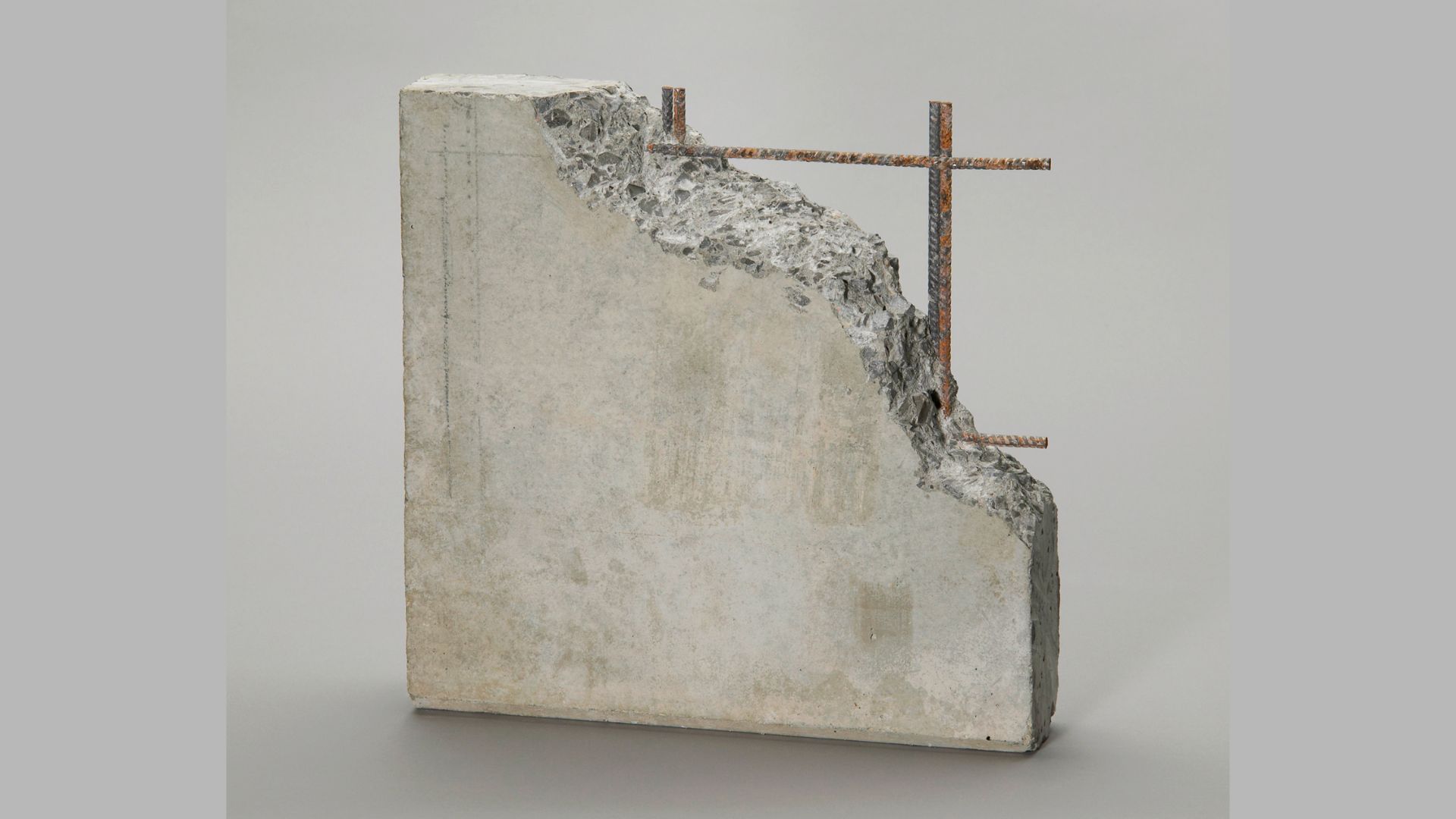
Steel reinforcement is an effective method to increase concrete’s tensile strength and prevent cracking. It’s equally important to prioritize regular maintenance, including inspections and timely repairs, to address any potential issues affecting the concrete’sstabilityh over time. Lastly, avoiding excessive loads on concrete structures prevents premature deterioration, ensuring their long-term durability and strength.
Conclusion
Maintaining the strength of your concrete is crucial to ensure the longevity and durability of your structures. To achieve this, it is essential to utilize proper curing techniques that involve maintaining moisture and reducing water loss. At Rhode Island Repair and Maintenance, we strongly emphasize the importance of adequate maintenance and upkeep for our clients. Our team of experts is committed to providing concrete repair and restoration services that enhance the appearance of your structures and improve their strength and lifespan. By employing advanced industry techniques and utilizing high-quality materials, we can effectively repair any cracks or damages in your concrete while reinforcing its strength. Our knowledgeable team understands the scientific principles behind concrete and can offer personalized solutions tailored to your specific needs.