
Fixing Concrete Slabs: How to Restore Damaged Surfaces
Concrete slabs are widely used in construction due to their durability and strength. However, these slabs can develop cracks, spalling, and damage over time. Restoring damaged concrete surfaces is crucial to ensure their longevity and structural integrity. In this blog post, we will explore the common causes of substantial slab damage and provide a step-by-step guide on how to fix and restore these surfaces effectively.
Identifying Common Issues With Concrete Slabs
Concrete slabs are widely used in construction for various applications, such as foundations, floors, driveways, and sidewalks. Concrete slabs can encounter several issues over time, like any other construction material. Here are some common problems that can occur with concrete slabs:
Cracks
Cracking is one of the most common problems with concrete slabs. Cracks can occur due to shrinkage during curing, ground settlement beneath the slab, temperature changes, or excessive loads. Small cracks are generally not a significant concern, but larger cracks can indicate structural issues.
Settlement
Concrete slabs may experience settlement or sink in certain areas. This can happen when the underlying soil is not compacted correctly or when there are changes in moisture content, causing the soil to shift. Settlement can lead to uneven surfaces and potential structural problems.
Spalling
Spalling refers to the chipping, flaking, or breaking off the concrete surface. It can occur due to freeze-thaw cycles, moisture or chemicals that attack the concrete, or poor substantial quality. Spalling can weaken the slab and expose the underlying reinforcement, leading to further deterioration.
Unevenness or Sloping
Over time, concrete slabs may develop uneven surfaces or slopes. This can be caused by settlement, soil erosion, or inadequate subbase preparation during construction. Uneven slabs can create tripping hazards, water pooling, or problems with properly functioning machinery or equipment.
Discoloration and Stains
Concrete slabs can suffer from discoloration and staining caused by various factors, such as exposure to chemicals, oils, or natural weathering. Stains can affect the appearance of the slab but generally do not impact its structural integrity.
Joint Problems
Concrete slabs often have expansion joints or control joints to accommodate the natural movement of the material. If these joints are not correctly designed, installed, or maintained, they can lead to issues such as joint deterioration, spalling, or cracking.
Moisture and Leakage
In areas where concrete slabs are exposed to moisture or water, such as basements or parking structures, problems related to moisture infiltration or leakage can occur. This can result in damage to the concrete, corrosion of reinforcement, and the growth of mold or mildew.
It is essential to address these issues promptly to prevent further damage and ensure the longevity and functionality of the concrete slab. Consulting with a qualified professional, such as a structural engineer or a concrete contractor, is recommended for accurate assessment and appropriate remedial measures.
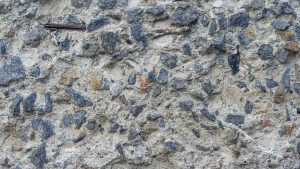
Types of Damage That Can Occur to Concrete Surfaces
Concrete surfaces are susceptible to various types of damage due to environmental factors, wear and tear, and accidents. One common type of damage is cracking, which can occur due to shrinkage during the curing process, temperature fluctuations, or excessive loads. Another type of damage is spalling, where small pieces of concrete chip off, often caused by freeze-thaw cycles or chemical exposure.
Surface scaling is another issue that can arise, causing the top layer of concrete to flake off, usually due to poor installation or improper curing. Corrosion of reinforcing steel can also damage concrete surfaces, as it causes rust stains and weakens the structure. Lastly, abrasion and impact can cause surface wear and chipping, especially in high-traffic areas or where heavy machinery is used. Regular maintenance and proper sealing can help prevent or minimize these types of damage and ensure the longevity and durability of concrete surfaces.
Hiring a Professional if Damage is Extensive or Beyond Your DIY Abilities
When faced with extensive damage or a project beyond your do-it-yourself (DIY) abilities, it is often wise to hire a professional. While tackling small tasks alone can save you money and provide a sense of accomplishment, certain situations require specialized skills, experience, and equipment that professionals possess. Here are a few scenarios where hiring a professional is recommended:
Structural repairs
Suppose your home or property has suffered significant structural damage, such as foundation issues, considerable roof damage, or severe structural instability. In that case, hiring a professional contractor or engineer is crucial. They have the expertise to assess the damage accurately, develop a suitable repair plan, and ensure the structural integrity of your property.
Electrical work
Working with electricity can be dangerous and requires expertise to ensure safety and compliance with building codes. Hiring a licensed electrician is best if you need extensive electrical repairs, wiring installations, or upgrades. They possess the knowledge to handle complex electrical systems, reducing the risk of electrical hazards and ensuring the job is done correctly.
Plumbing problems
Hiring a professional plumber is advisable when facing significant plumbing issues, such as major leaks, burst pipes, or extensive sewer line problems. They have the tools and expertise to diagnose and address the problem effectively, preventing further damage to your property and ensuring the plumbing system operates correctly.
Specialized tasks
Some projects require specialized skills and equipment that may not be feasible for a DIY enthusiast. For instance, projects involving HVAC (heating, ventilation, and air conditioning) systems, complex carpentry work, intricate tile installations, or large-scale landscaping often necessitate professional assistance. Hiring experts in these fields will ensure the job is done efficiently, meeting industry standards and your specific requirements.
Safety concerns
If a project involves hazardous materials like asbestos removal, lead-based paint, or mold remediation, hiring professionals with the appropriate certifications and experience is crucial. They can safely handle and dispose of hazardous substances, protecting your health and the environment.
Remember, when hiring a professional, it’s essential to do your research and select reputable, licensed, and insured contractors in their respective fields. Seek recommendations, read reviews, and obtain multiple quotes to ensure you find the right professional for the job.
How to Restore Damaged Surfaces
Assess the damage
Determine the nature and extent of the damage. This will help you determine the appropriate restoration method and materials needed.
Clean the surface
Before starting any restoration work, clean the damaged surface thoroughly. Remove any dirt, debris, or loose particles. Use a mild detergent or appropriate cleaner for the specific surface type. Rinse and allow the surface to dry completely.
Repair minor damage
You can often use appropriate repair materials to fix the damage for small cracks, chips, or scratches. Various products, such as fillers, putties, or patching compounds, are available for specific surfaces. Follow the instructions provided with the product and apply it to the damaged area. Allow it to cure or dry according to the recommended time.
Sanding
If the surface has rough or uneven areas after repairs, you may need to sand it down. Use sandpaper or sanding blocks with an appropriate grit for the surface material. Start with a coarse grit to remove high spots and gradually move to finer grits for a smooth finish. Sand in a circular or back-and-forth motion, following the surface contours. Wipe away the dust generated during sanding.
Surface Preparation
Depending on the surface type, you may need to apply a primer or sealer before proceeding with the final restoration. Primers help with adhesion and create a uniform base for the finish. Follow the manufacturer’s instructions for proper application and drying times.
Apply the finish
Once the surface is prepared, you can apply the appropriate finish or coating. This can include paint, stain, varnish, or any other suitable product for the specific surface. Apply thin, even coats and allow each layer to dry before applying the next. Follow the manufacturer’s instructions for drying times and any additional steps required.
Finishing touches
After the finish has dried, inspect the restored surface for any imperfections. If necessary, lightly sand the surface again and apply an additional finish coat. Once you are satisfied with the restoration, clean up any tools or equipment used.
Conclusion
At Rhode Island Repair, our mission is to enhance the durability of your infrastructure and save you time and money. Our team specializes in concrete repair and maintenance using state-of-the-art techniques and materials. Regular inspections are crucial for maintaining concrete strength. We identify and address any issues early on, including cracks or signs of deterioration that could compromise your concrete’s integrity.